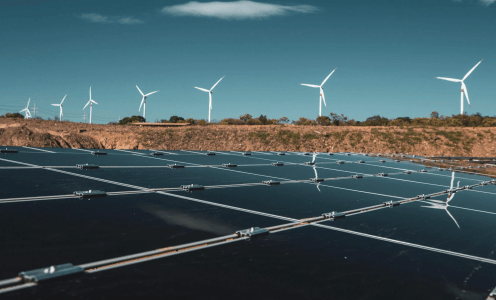
Sustainable digital infrastructure integrates renewables, efficient cooling, and modular deployment to align energy use with demand. A systems view links hardware, software, and governance to measurable outcomes such as uptime, total cost of ownership, and emissions. Lifecycle assessments guide decisions, while transparent reporting supports continuous improvement. Data-driven metrics reveal value and risk across stakeholders. The approach is resilient and scalable, yet its effectiveness hinges on disciplined execution—a condition that invites ongoing assessment and collaboration.
Powering With Renewables and Efficient Cooling
Powering digital infrastructure with renewables and efficient cooling reduces both operational carbon and total cost of ownership by aligning energy supply with load profiles and thermal management needs.
The approach analyzes renewable power integration, efficient cooling, and hardware optimization through measurement dashboards and resilience metrics.
Circularity practices, data center waste reduction, energy storage, low temp servers, and software efficiency enable measurable, data-driven outcomes.
Building Resource-Efficient Software and Hardware
Techniques such as database sharding and modular deployment enhance scalability, while cloud elasticity aligns capacity with demand, reducing waste, accelerating outcomes, and supporting freedom through efficient, resilient infrastructure.
Operating for Resilience, Circularity, and Measurement
Renewable cooling options reduce energy intensity, while lifecycle assessment reveals tradeoffs.
Outcomes-focused reporting supports informed governance, continuous improvement, and transparent stakeholder communication within complex, interconnected digital ecosystems.
Sustainable Digital Infrastructure
The analysis emphasizes energy optimization and resource-aware design, linking governance to measurable outcomes.
It adopts a systems perspective to reduce risk, maximize uptime, and enable responsible innovation.
Data center hydration considerations inform sustainable cooling, resilience, and long-term operational freedom.
See also: Sustainable Innovation in Manufacturing
Frequently Asked Questions
How Can Data Centers Handle Peak Renewable Energy Variability?
Data centers manage peak renewable variability through enhanced data center resilience, load shifting, on-site generation, and diversified energy sourcing. The approach emphasizes measurable outcomes, system-wide optimization, risk reduction, and empowered operators seeking flexible, reliable, low-carbon energy futures.
What Financing Models Accelerate Sustainable Digital Infrastructure?
Financing models accelerate sustainable digital infrastructure by prioritizing outcomes, leveraging blended capital, and linking investments to sustainability metrics; they enable scalable deployment, risk-adjusted returns, and transparent performance tracking for stakeholders seeking freedom through resilient, data-driven ecosystems.
How Do We Measure Supplier Sustainability Across the Supply Chain?
Measuring supplier sustainability across the supply chain relies on standardized metrics, supplier transparency, and lifecycle metrics; data-driven dashboards reveal systemic risks, track outcomes, and drive continuous improvement toward resilient, low-impact operations empowering stakeholders with evidence-based decisions.
Are There Standards for Carbon Labeling of Digital Services?
Currently, standards for carbon labeling of digital services exist through evolving frameworks; however, alignment remains partial. The analysis emphasizes standards alignment and carbon labeling as essential for transparent, outcome-driven, systems-thinking decisions empowering freedom-minded stakeholders.
How Can Users Incentivize Greener Cloud Adoption?
Users can incentivize greener cloud adoption by leveraging incentives like energy credits and tracking consumer demand signals; data-driven, systems-thinking analysis shows measurable reductions. Satire opens caveat: domains boast freedom while dashboards quantify outcomes and bolster responsible choices.
Conclusion
In pursuit of sustainable digital infrastructure, the systems view confirms that renewables, efficient cooling, and modular deployment lower energy use while sustaining uptime. Resource-aware software and hardware reduce waste and bias toward optimal performance. Governance binds lifecycle assessment to transparent reporting, ensuring measurable outcomes and continuous improvement. Together, these elements create a resilient, scalable ecosystem—like a well-tuned orchestra—where data drives decisions, and sustainability is the measurable score guiding long-term value.
