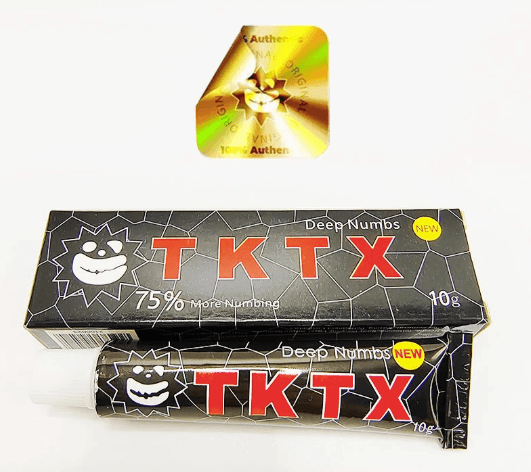
Plenty of people book a tattoo months out, then sit in the car park when the day arrives to get it inked, wondering if they should go in. It can look weak from the outside. Really, it’s just the thought of pain talking before any unease has actually started. Pain-wary clients carry that weight heavier than most, and it shows on the face before the stencil touches skin.Numbing the skin well before the needle does its work and lands on the skin changes that whole opening stretch of a session. TKTX gets applied under cling film roughly 45 minutes ahead, sometimes longer if the area runs thicker. By the time the artist picks up the machine, the skin has gone dull to touch. That first pass reads as pressure, not a sharp sting that pulls the shoulders up.
Why the Chair Feels Too Close Before the First Line
Pre-Session Nerves Build Well Before the Studio: Most clients show up already wound up from anticipated stress. The night before has usually run short on sleep. Breakfast might have been skipped, or sat on the plate mostly picked at but not eaten properly. By the time someone parks it on the waiting bench, the sympathetic nervous system has been working overtime for a while. Hands tend to go clammy without much warning.
Pain Memory Drags Forward Without Permission: Anyone who’s sat through a rib piece remembers it well after the fact. The body hangs onto that sting and pulls it back up next booking, without being asked. Anticipatory anxiety works in that shape. You book the second sleeve, think you’re fine, and the night before kicks in anyway. For pain-wary clients, that second sitting often feels rougher than the first one did.
The Waiting Room Doesn’t Do Them Any Favours: The next booth over runs noisy. A machine is still buzzing on someone’s calf. There’s the crinkle of cling film being adjusted. Green soap hangs in the air longer than it should. Pain-wary clients pick up on every bit of it, and the brain starts assigning a dreadful meaning to each sound. Bracing kicks in well before any ink touches skin.
How Dulling the Skin Changes the Whole Room
The Atmosphere Settles Once the Skin Quiets: Something in the room eases once the numbing takes hold properly on the skin. Clients stop bracing for the worst of it. Artists pick up on the shift pretty quick. Fewer flinches keep the liner steadier and the shading even across the piece being inked. The whole feel of the booth lightens up, almost without anyone mentioning it.
Small Physical Shifts Worth Keeping an Eye On: Clients using numbing cream often report the same small markers across a long sitting in the chair. None of it dramatic on its own, just the stuff that adds up over two or three hours sitting under the needle:
- Heart rate settles inside the first ten minutes of actual work.
- Breathing slows without anyone having to remind them it should.
- Conversation picks back up between passes, instead of clipped one-word replies between winces.
- Bathroom breaks become actual breaks, not polite escape plans.
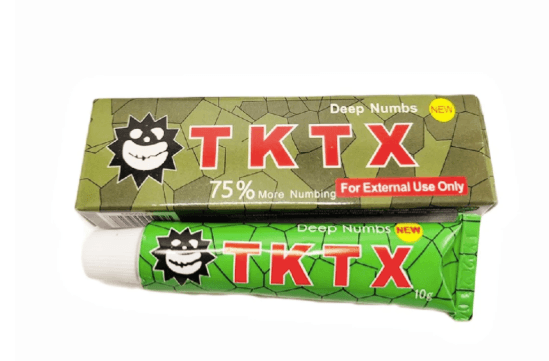
Confidence Replaces the Constant Second-Guessing: Walking in knowing the pain won’t run the show changes the booking itself. Clients stop shrinking the design down to something safer than they actually wanted. Next month’s appointment stops getting pushed back yet another fortnight. The forearm piece someone wanted five years back suddenly seems doable. So does that collarbone work they kept trading down for something tamer.
When the Sting Fades the Dread Loosens With It
Pain and Anxiety Aren’t Really Two Things: They feed each other in practice. A sharp sting lifts anxiety up a notch. The anxiety then turns a medium sensation into something sharper than the needle really is. Break one side of that loop, the other eases off fast. Numbing takes the pain side out. What’s left sits closer to ordinary sensation.
The Body Finally Quits Bracing in the Chair: Skin that’s been tense since breakfast lets go. An artist working a thigh doesn’t have to pause every ten seconds for a twitch. That matters for fine linework, the kind that goes crooked if the canvas moves wrong. Cleaner lines come down to the client not flinching, more than anything the machine is doing.
Recovery Afterwards Doesn’t Land as Hard: White-knuckling a session takes a toll afterwards too. Clients come off the chair flat out, sore in places that weren’t even touched by the needle. When numbing softens the sitting itself, that post-session slump lands lighter. Aftercare feels like normal healing then, not damage control piled on top of more damage control.
Eyes Back on the Ink Not the Needle
Focus Drifts Back to the Design: Once the pain steps off, attention drifts back to the piece on the skin. Clients start catching the shading as it builds up line by line. The linework pattern starts getting noticed properly. Little choices the artist is making, stuff that gets missed when someone is bracing the whole time. That shift changes how the tattoo gets remembered years down the track.
Longer Sessions Stop Feeling Out of Reach: Pain-wary clients often chop a full sleeve into seven sittings when three could have handled the job. Numbing changes the maths on the chair. Three hours in the chair starts feeling doable instead of hypothetical. Sometimes easier than people expect it to be. Fewer sit cycles means the sleeve heals and lines up properly across panels, instead of colour fading unevenly between far-apart appointments.
Walking Out Proud of the Sit
Tattoo anxiety doesn’t have to run the whole session. Clients who sort the numbing side beforehand walk in steadier than expected. The chair feels less like a proper test. Artists get a cleaner canvas to work off. The sitting becomes something worth remembering, not just surviving through. Get the next appointment booked, pick up a numbing cream well ahead of time. Walk in ready for this session of getting inked.
